Skin Diseases: A Practical Introduction to Skin Health
Skin diseases range from temporary irritation to conditions that need medical care. Learn common signs, possible causes, everyday skin-care basics, and when to seek professional advice.
Skin diseases are conditions that affect the skin, the body’s protective outer layer. They may cause changes such as itching, redness, dryness, scaling, bumps, or sores, and can range from short-lived irritation to problems that need ongoing medical care. Because many conditions look alike, a rash or patch cannot reliably be identified from appearance alone. This introduction explains common patterns, possible contributing factors, simple skin-care habits, and when to seek help. It is general health education, not a diagnosis; a qualified healthcare professional can assess persistent or concerning symptoms.
What Are Skin Diseases and How Do They Appear?
Skin diseases are a broad group of conditions involving the skin, hair, or nails. Some are inflammatory, some are associated with infections, and others relate to immune responses, inherited traits, or contact with an irritant or allergen. A condition may affect a small area or several parts of the body, and its appearance can change over time.
Common changes to notice
People may experience itching, tenderness, dryness, scaling, redness, colour changes, blisters, or raised spots. These signs are not specific to one disease: for example, several unrelated conditions can cause an itchy rash. The timing, location, exposures, other symptoms, and a clinician’s examination all help inform an assessment.
Some skin concerns settle when a trigger is avoided, while others recur or require professional treatment. A change in skin colour or texture does not automatically mean a serious problem, but a rapidly spreading rash, severe pain, swelling, fever, or difficulty breathing alongside a skin reaction calls for urgent medical attention.
Recognise patterns, not diagnoses
Notice when symptoms began, which areas are affected, and whether new products, clothing, medicines, or environmental exposures came before them. Record changes rather than trying to label the condition yourself. This information can help a healthcare professional understand the problem without relying on guesswork.
Common Skin Diseases and How They Differ
Several familiar skin conditions illustrate why symptoms can overlap. Acne involves blocked hair follicles and can cause spots, while eczema commonly involves dry, itchy, inflamed skin. Psoriasis can produce persistent areas of thickened, scaling skin. Contact dermatitis is an inflammatory reaction after skin touches an irritant or substance that triggers an allergy. These descriptions are general; they cannot confirm what a person has.
A simple comparison
| Condition or group | Common pattern | Helpful next step |
|---|---|---|
| Acne | Spots or inflamed bumps, often on the face, chest, or back | Ask a clinician if it is persistent, painful, or affecting wellbeing |
| Eczema | Dry, itchy, inflamed patches that may recur | Discuss ongoing symptoms and skin-care options with a professional |
| Psoriasis | Persistent, well-defined areas that may be thick or scaly | Seek assessment, especially if symptoms are new or troublesome |
| Contact dermatitis | Rash where an irritant or allergen may have touched the skin | Review possible exposures with a clinician; avoid suspected triggers when safe |
Other concerns, including fungal or bacterial infections, can also affect the skin and may require specific treatment. Not every rash is contagious, and appearance alone cannot establish its cause. Avoid using someone else’s medicine or applying strong products to an unexplained rash, since the wrong approach may irritate skin or delay suitable care.
Possible Causes, Triggers, and Everyday Skin Care
Skin concerns may arise from a mix of factors rather than one clear cause. These can include inherited tendencies, immune activity, infection, friction, heat, sweat, dry air, or contact with substances that irritate or trigger a reaction. Personal care products, detergents, jewellery, and some workplace materials may be relevant for certain people. A suspected trigger is worth discussing, but it should not be treated as proof of a diagnosis.
Build a gentle routine
Basic habits can support the skin barrier without promising to prevent or cure disease. Wash with lukewarm rather than very hot water, use a mild cleanser when needed, and pat skin dry instead of rubbing. If dryness is a concern, a plain moisturiser may help; choose products that suit your skin and stop using one that clearly causes irritation. Sun protection, including shade, protective clothing, and suitable sunscreen, can reduce harmful ultraviolet exposure.
- Introduce new skin products one at a time so reactions are easier to notice.
- Follow product directions and avoid applying unprescribed medicines to an unexplained rash.
- Keep towels and personal grooming items clean; do not share them when an infection is suspected.
- Note potential exposures and symptom changes to discuss at an appointment.
Ayurvedic traditions may offer a framework for understanding wellbeing, but traditional explanations are not a substitute for evidence-based assessment. Be cautious with home mixtures or herbal products: natural ingredients can still irritate skin or interact with treatment. Ask a qualified healthcare professional before using them on an active or unexplained condition.
When to Seek Medical Advice for Skin Diseases
Consider professional advice when a skin problem persists, keeps returning, spreads, worsens, interferes with sleep or daily activities, or does not improve with gentle care. A clinician can ask about the timeline, symptoms, medicines, health history, and possible exposures, then examine the affected area. Depending on what they find, they may recommend further assessment or an appropriate treatment plan. Do not stop prescribed medicines or start a treatment based only on an online description.
Know which changes need prompt attention
Seek urgent care for a widespread or rapidly worsening reaction, severe pain, significant swelling, pus with increasing redness, or a rash accompanied by fever or feeling very unwell. Difficulty breathing or swelling of the face or throat after a possible allergic reaction is an emergency. New or changing skin growths, sores that do not heal, or unexplained bleeding should also be assessed by a healthcare professional.
Before an appointment, note when the concern started, what has changed, and any products or exposures that may be relevant. If comfortable, a dated photograph can help show how the area has evolved, but it does not replace an examination. Ask what warning signs to watch for, how to use any recommended treatment, and when to follow up.
These steps can make a consultation more useful while avoiding self-diagnosis. If symptoms are persistent or concerning, consult a qualified healthcare professional in India who can consider your individual circumstances and provide appropriate guidance.
Conclusion
Skin diseases cover many different conditions, and similar-looking changes can have different causes. Gentle skin care, awareness of potential triggers, and clear notes about symptom changes can help you make informed decisions, but they cannot replace a clinical assessment. Avoid unverified remedies and do not use another person’s medication. Seek professional advice for persistent, worsening, painful, or otherwise concerning changes, and urgent care for severe reactions. With reliable information and qualified guidance, you can take sensible steps to support skin health without relying on guesswork.
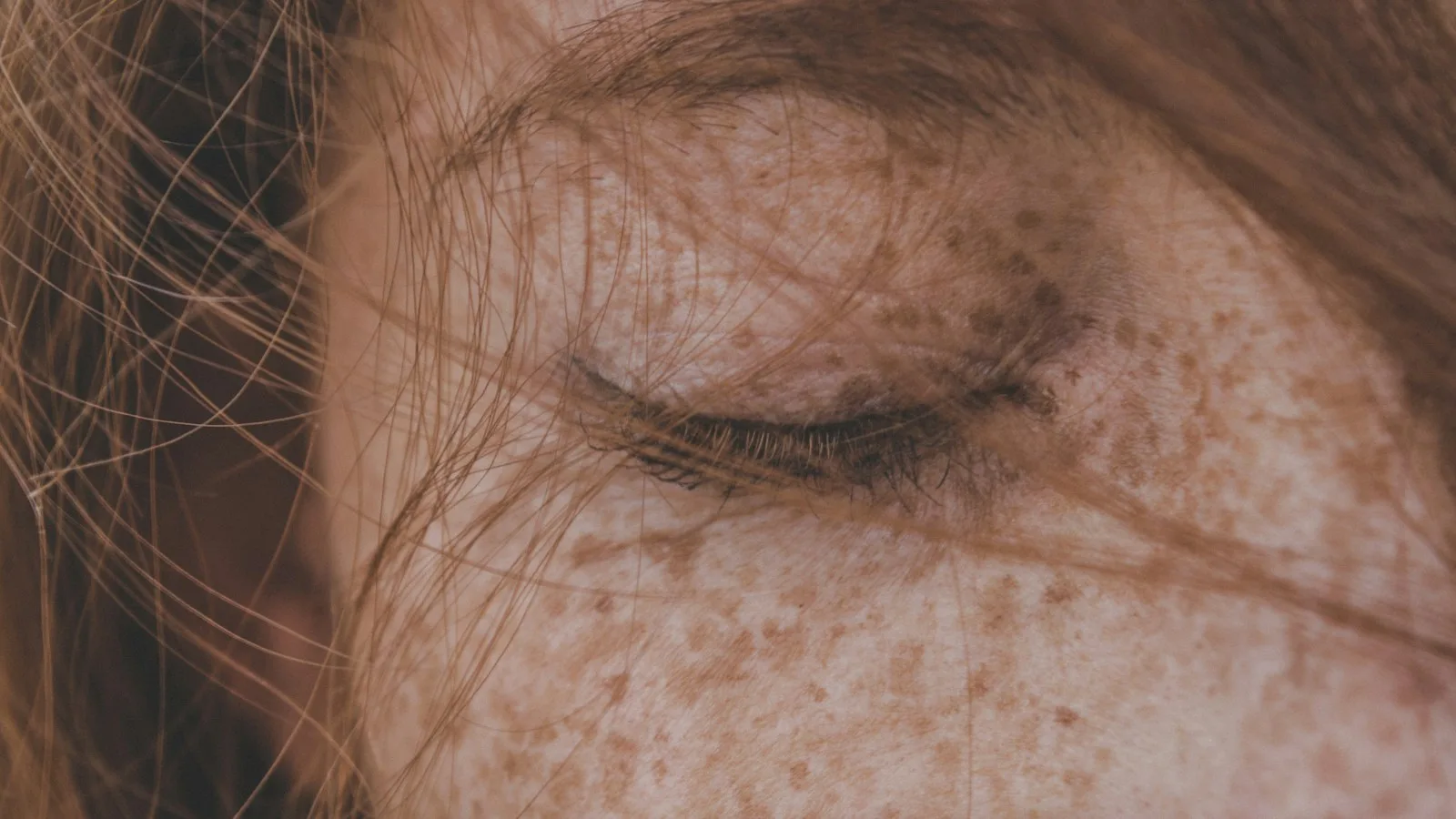
Photo by Chermiti Mohamed on Unsplash
